Below is a list of ingredients which are safe for consumption. This guide should be used as a starting point, and it is up to you to confirm that any product you are purchasing, especially if it is packaged and processed, is safe to eat. Be diligent at the market (see Gluten-Free Shopping Made Easy) by checking ingredient labels and/or calling the manufacturer directly. Be patient – take the time needed to confirm a product is safe, and if there is any question, do not buy it. Avoid setbacks in the healing process!
In addition to the items listed below, enjoy an abundance of fresh fruits, plain nuts, vegetables, meat, fish & poultry which are allowable. New to the market are many tasty gluten-free sauces & marinades to complement your food. If lactose intolerant consider soy, rice, almond & coconut milk as an alternative to cow’s milk. You can now purchase almost anything in a gluten-free version!
(For more detailed info on allowable, protein-packed nutritional grains & flours, see Gluten-Free Grains & Flours)
(Click HERE for more information on US FDA “gluten-free” labeling laws)
Foods Allowed:
Amaranth Arrowroot Beans/lentils/legumes & ground flours Many beverages are gluten-free, but some are not (contact Beverage Manufacturers)
Brown rice flour (but not brown rice syrup, unless confirmed gf)
Buckwheat (though “wheat” is in the name, it is not wheat)
Butter/Margarine (plain, no added flavorings)
Calrose (rice)
Candy (many are safe, but many contain gluten – see Candy Manufacturers)
Cassava
Cheese (plain, hard, unprocessed is OK – Blue cheese/Roquefort needs to be verified GF)
Channa
Chickpeas (Garbanzo)
Coffee (plain is fine, question if flavored)
Many beverages are gluten-free, but some are not (contact Beverage Manufacturers)
Brown rice flour (but not brown rice syrup, unless confirmed gf)
Buckwheat (though “wheat” is in the name, it is not wheat)
Butter/Margarine (plain, no added flavorings)
Calrose (rice)
Candy (many are safe, but many contain gluten – see Candy Manufacturers)
Cassava
Cheese (plain, hard, unprocessed is OK – Blue cheese/Roquefort needs to be verified GF)
Channa
Chickpeas (Garbanzo)
Coffee (plain is fine, question if flavored)
 Corn (maize), cornmeal, corn flour, cornstarch (if GF)
Cottonseed
Dal
Dasheen
Eggs
Flax
Garfava
Guar Gum
Hominy
Honey (100% pure)
Maple Syrup (100% pure)
Milk (plain)
Corn (maize), cornmeal, corn flour, cornstarch (if GF)
Cottonseed
Dal
Dasheen
Eggs
Flax
Garfava
Guar Gum
Hominy
Honey (100% pure)
Maple Syrup (100% pure)
Milk (plain)
 Millet
Montina
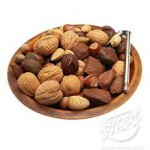
Nuts (plain, unseasoned are naturally safe, watch out for seasoned/flavored)
Nut Flours (Acorn, Almond, Coconut, Peanut)
Oils (plain olive, vegetable, canola)
Uncontaminated Oats* (read important note below on oats)
Potato Flour & Starch
Quinoa
Rice (plain Arborio, Basmati, Brown, Risotto, Wild, etc. – best if labeled GF to avoid
using contaminated rice)
Sago
Salt & Pepper (plain)
Sesame
Millet
Montina
Nuts (plain, unseasoned are naturally safe, watch out for seasoned/flavored)
Nut Flours (Acorn, Almond, Coconut, Peanut)
Oils (plain olive, vegetable, canola)
Uncontaminated Oats* (read important note below on oats)
Potato Flour & Starch
Quinoa
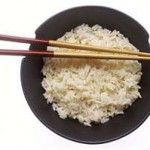
Rice (plain Arborio, Basmati, Brown, Risotto, Wild, etc. – best if labeled GF to avoid
using contaminated rice)
Sago
Salt & Pepper (plain)
Sesame
 Sorghum
Sour Cream (unflavored)
Soy (but not soy sauce)
Sugar & Spices (plain, single spices/sugars are ok, “seasonings” may contain gluten)
Sunflower seeds
Tapioca
Taro
Tea (most teas are fine, some may contain barley)
Teff
Xantham gum
Yogurt (some may contain gluten, check label)
Sorghum
Sour Cream (unflavored)
Soy (but not soy sauce)
Sugar & Spices (plain, single spices/sugars are ok, “seasonings” may contain gluten)
Sunflower seeds
Tapioca
Taro
Tea (most teas are fine, some may contain barley)
Teff
Xantham gum
Yogurt (some may contain gluten, check label)
*Note on Oats: Clearly labeled Gluten-Free OATS eaten in moderation are allowable, but it is recommend to speak with your dietitian or doctor BEFORE introducing them into your diet. Oats shouldn’t be introduced until symptoms have subsided and intestines have healed (possibly up to 2 years). Read here for recommendations on introducing gluten-free oats. Though oats themselves do not contain the same protein found in wheat, most commercially available oats are often contaminated with gluten (testing has proven this!), but there are now several companies offering safe, uncontaminated, gluten-free oats (see our STORE). Oats provide protein, fiber, iron and B vitamins, so once you receive the green light, include them in your diet!
Read this from The New England Journal of Medicine and this from Gluten Free Watchdog, and also view this study: Noncontaminated Dietary Oats May Hamper Normalization of the Intestinal Immune Status in Childhood Celiac Disease”. Another recent (Winter 2015) article from Allergic Living Magazine discusses oats and the gluten-free diet HERE.
(4/2017) Oats appear safe for patients with celiac disease
Note: Once you have introduced Oats into your diet again, watch for a reaction. Some people have issues with the protein ” avenin”, which is found in oats. If you are still experiencing issues consider this and decide whether or not you want to consume them.
Also on the “Gluten-Free” List:
Gluten-Free Additives: Acacia Gum, Adipic Acid, Algin, Annatto, Aspartame, Baking Yeast, Benzoic Acid, Beta Carotene, BHA, BHT, Brewers Yeast, Brown Sugar, Calcium Disodium EDTA, Carrageenan, Carboxymethyl, Cellulose, Carob Bean Gum, Corn Syrup, Cream of Tartar, Dextrose, Ethyl Maltol, Fructose, Fumaric Acid, Gelatin, Glucose, Guar Gum, Invert Sugar, Karaya Gum, Lactic Acid, Malic Acid, Maltol, Mannitol, Methylcellulose, Monosodium Glutamate (MSG), Papain, Pectin, Polysorbate 60 & 80, Propylene Glycol, Psyllium, Sodium Benzoate, Sodium Metabisulphite, Sodium Nitrate, Nitrite, Sodium Sulphite, Sorbitol, Stearic Acid, Sucralose, Sucrose, Sugar, Tartaric Acid Tartrazine, Titanium Dioxide, Tragacanth, Vanille Extract, Vanillan, Xanthan Gum, Xylitol, Yam, Yeast are gluten-free. Citric Acid is usually made from beet sugar, corn or molasses, & rarely wheat – though research indicates the processing should eliminate any harmful gluten if wheat was used.
*Artificial flavoring & coloring – considered safe
Citric Acid, Dextrose, Glucose syrup & Caramel Coloring – though these could be made using wheat, research indicates they are so highly processed no harmful gluten would remain.
Distilled Vinegar (white, balsamic, apple cider)- is considered GF because the distillation process should filter out any gluten) – MALT vinegar, however, is NOT gluten free. Be sure to read ingredients of “flavored” vinegars.
Maltodextrin – is thought to be safe as it is made from corn, rice or potato starches. Other countries may use wheat, though it is so highly processed there should not be any remaining harmful gluten.
*Mono and diglycerides – considered safe
*source: (2014) Gluten Freedom by Alessio Fasano, MD
Informative articles on particular foods that are frequently in question (READ!):
Caramel Coloring: http://celiacdisease.about.com/od/celiacdiseasefaqs/f/Caramel_Coloring.htm
Corn: http://celiacdisease.about.com/od/glutenfreegrains/f/Is-Corn-Gluten-Free.htm
Mushrooms: http://celiacdisease.about.com/od/glutenfreefoodshopping/f/Gluten-Free-Mushrooms.htm?nl=1
Soy: http://celiacdisease.about.com/od/Gluten-Free-Grains/f/Is-Soy-Gluten-Free.htm?nl=1
Spices: http://allergicliving.com/2014/07/02/are-spices-safe-for-a-gluten-free-diet/
What about Grain-fed poultry, meat & eggs? Here is what the University of Chicago Celiac Disease has to say: “Grain-fed animal by-products (eggs, meat, etc.) do not have to be avoided for people on a gluten-free diet. Regardless of what an animal eats the meat from it is gluten-free.” – “Meat, fish, eggs are gluten-free because even if the animals are fed with gluten-containing products, gluten is not absorbed, hence it does not appear in their blood and cannot reach their flesh. Likewise, in humans there is no gluten detectable …”