
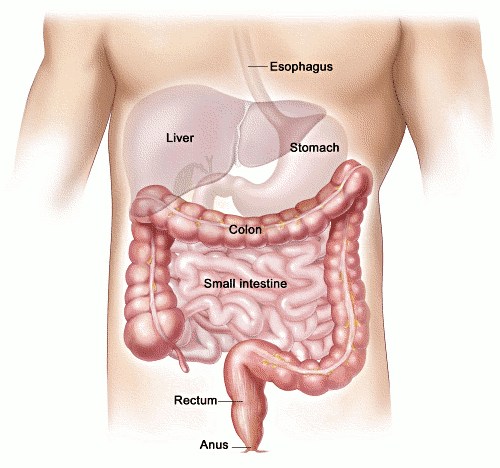
Celiac (Coeliac) Disease, also known as celiac sprue, gluten-sensitive enteropathy, and non-tropical sprue, is an inherited autoimmune disorder affecting children and adults. When an individual with Celiac ingests gluten, a protein found in wheat, barley & rye, the lining of the small intestine, known as the “villi” (finger-like projections), become flattened over time. Once the villi become damaged (villous atrophy), they are unable to absorb essential nutrients. As a result, the brain, nervous system and other vital organs are now being deprived of valuable nutrients which can lead to malnutrition and a number of illnesses. Celiac is not an allergy, and if left untreated can be life-threatening. Celiac can develop at any time in life, from as early as infancy to later in adulthood. If born with a particular set of genes (HLA-DQ2, DQ8), you are susceptible to developing Celiac. It is thought there must be a trigger to turn Celiac on (possibly pregnancy, abdominal surgery, viral or bacterial infection, extreme stress are possible triggers). Once triggered, Celiac is a life-long condition and is presently incurable. Strict adherence to a gluten-free diet is currently the only treatment. For the majority of people, once gluten is removed from the diet, the villi will heal, anywhere from two months to two years, depending on the severity of the initial damage.
On the bright side, once living a healthy gluten-free lifestyle, individuals who have suffered with debilitating symptoms possibly for years, will finally experience improved health and overall well-being! Most will begin to feel better after just a few weeks of eliminating gluten, but if symptoms do not improve, you must continue to advocate for your health. There is medical research currently underway world-wide – in the US, Finland, Britain, Australia & elsewhere – which in the near future may assist in the treatment of Celiac (see On the Horizon ).
*A multidisciplinary task force of international physicians recently (2/2012) defined Celiac Disease (to be used as a standard among medical professionals) as follows: Celiac Disease is “a chronic small intestinal immune-mediated enteropathy precipitated by exposure to dietary gluten in genetically predisposed individuals’. Classical CD was defined as ‘CD presenting with signs and symptoms of malabsorption. Diarrhoea, steatorrhoea, weight loss or growth failure is required.’ ‘Gluten-related disorders’ is the suggested umbrella term for all diseases triggered by gluten”
Non-Celiac Gluten–Sensitivity (NCGS), also known as gluten-sensitivity is different from Celiac – it is not an auto-immune disease. Research has indicated an individual may be sensitive to gluten and experience similar gastrointestinal (& other) issues, but without intestinal damage. According to the University of Maryland School of Medicine’s Celiac Research Center, Gluten Sensitivity may affect 6 to 7 percent of the population, as compared to the 1 percent population of Celiacs, however a recent study suggests NCGS may be less common than originally thought.
Note: Though a gluten-free diet can benefit those with Gluten-Sensitivity/wheat intolerance, it is strongly recommended not to commence the diet, until Celiac has been ruled out.
[Interesting articles on Non-Celiac Gluten Sensitivity: Patients with Celiac Disease and Non-Celiac Gluten Sensitivity Show Similar Neurological Dysfunction, The War on Gluten, ]
A wheat allergy is a food allergy and not an auto-immune disease. No intestinal damage occurs if someone with a wheat allergy consumes gluten. As with any food allergy, symptoms may vary from mild to life-threatening. “When you have allergies, your immune system makes antibodies that identify a particular allergen as something harmful, even though it isn’t. When you come into contact with the allergen, your immune system’s reaction can inflame your skin, sinuses, airways or digestive system.” (Mayo Clinic). For more information on wheat allergy, visit the Mayo Clinic’s website.
Wheat Allergy vs. Celiac Disease: (From the University of Chicago Celiac Disease Center: ” … An allergic reaction is caused by an immune system response to a specific allergen present in food, such as the proteins in cow’s milk or soybeans. If a person with a food allergy is exposed to these proteins, their body flags them with Immunoglobulin E (IgE) antibodies, which normally help fight parasites. The body’s immune system then mistakenly thinks these proteins are harmful and triggers an allergic reaction, such as skin rash, gastrointestinal or respiratory distress and the more life-threatening anaphylactic shock. An example of another type of immune reaction, not mediated by IgE, is Celiac Disease. Celiac is an autoimmune condition in which the body responds to the wheat protein gluten by destroying its own villi that absorb nutrients in the small intestine.”
Important Read:
Spectrum of Gluten-Related Disorders: Concensus of New Nomenclature and Classification: http://www.biomedcentral.com/content/pdf/1741-7015-10-13.pdf