Home \ Preparing The Kitchen
Preparing The Kitchen
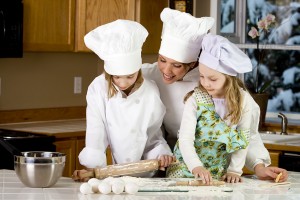 In a perfect Celiac/gluten-sensitive world, how wonderful it would be if the entire family were to eat 100% gluten-free, once a family member received a diagnosis.* Banish that wheat bread, pasta, and pancake mix, never to be brought into the home again! This is usually not the case, however, and more often there are others in the household preparing and consuming products made with gluten. This scenario in the kitchen can most certainly contribute to cross-contamination. One may wonder why tummy troubles are still occurring, and even more surprised when follow-up blood tests continue to show elevated antibodies. The culprit – tiny pieces of gluten possibly unknowingly being consumed. Research has indicated it can take as little as 1/64 of a teaspoon (10 mg of gluten – the tiniest piece of crumb!) to cause small intestinal inflammation. So, if gluten ingredients will be co-mingling with gluten-free ingredients in the kitchen, then it is essential to take the precautionary steps noted below to prepare a safe cooking environment. To further avoid issues of cross-contamination in the kitchen, try minimizing the use of as many gluten-containing ingredients as possible. Many recipes can be adapted to avoid using gluten, or by substituting with a gluten-free ingredient. There are many protein-packed gluten-free flours available to be used in place of wheat flour. Switch out gluten-containing marinades and salad dressings, for their delicious gluten-free alternatives for the whole family to enjoy.
Ready!
Begin by clearing out a cabinet or drawer and place all gluten-free snack items in it – this should be a sacred (safe) gluten-free zone! Choose a shelf that is located above shelves containing gluten items to avoid crumbs, etc. falling into the “sacred” zone!
It is not necessary to go out and buy all new pots and pans, a thorough washing should clean away any gluten. Cast iron pans and pizza stones are porous and should be cleaned very well if gluten touched them (run iron pan through a hot oven cleaning cycle).
The following items should be purchased new, and used only for gluten-free items:
- Toaster – put a sticker on it with your name & no one else should use it – ever.
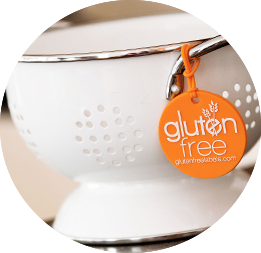
- Colander/strainer – primarily to be used for gf pasta.
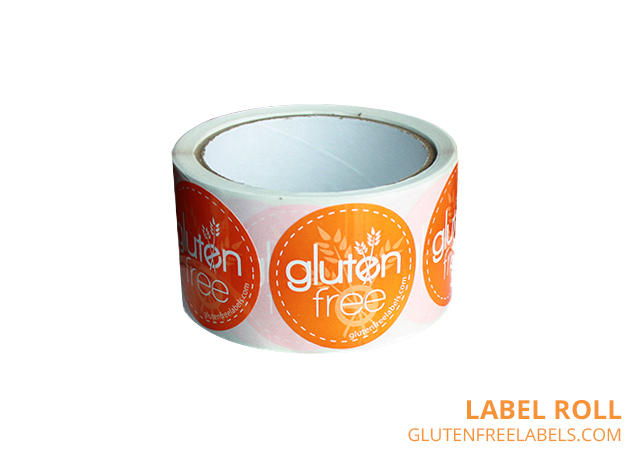
- Small colorful labels – put one, or more, plain labels on every product that is gluten-free. If you want your labels to really pop, purchase them from Gluten Free Labels.com, they are also waterproof! (click on their ad, bottom right .. note: we are an affiliate member).
- Cutting board
- Baking items – rolling pin, sifters, utensils, baking tins if scratched, etc. (many baking items can be cleaned off, but having separate items for gluten-free cooking will certainly prevent any gluten-containing residue being left behind on shared items). Buy new wooden utensils as wood is porous and could trap gluten particles. Never let the new wood utensils come in contact with gluten, or you’ll need to replace them again.
The following foods are where cross-contamination is most likely to occur, primarily due to utensils being dipped inside & then onto a piece of wheat bread, and then back in again! The best way to avoid this from happening is to buy two of the product, and stick a bright label on the gluten-free one. Purchasing condiments in squirt bottles, will avoid having to use a utensil.
peanut butter
jams & jellies
butter/margarine
mayonnaise/salad dressing
mustard, ketchup, relish, & any other condiments that require dipping
Other Useful Tips:
- Try to convince the rest of the family to convert to eating, at a minimum, gluten-free pasta & pancakes, so you can avoid performing the “juggling” act of preparing both simultaneously!
- Keep cold gluten-free items (flour, etc.), in a separate drawer in refrigerator.
- Be mindful to keep all utensil drawers closed when working with gluten ingredients, to avoid crumbs from bread, etc. from falling into the drawer & onto the utensils.
- If storing items in your refrigerator/freezer – keep them tightly wrapped.
- Remember if using wheat-containing flour, it remains airborne thus contaminating surfaces & other nearby gluten-free items.
- Wash and rinse all dishes, pots, pans & utensils very thoroughly. Politely remind friends & relatives helping out in the kitchen to be mindful of this as well.
- Since you should not be using the same utensils to cook gluten-free dishes & gluten dishes, you will either need to wash the utensils continuously, or use separate designated utensils – be careful where you place them down, to avoid touching gluten-containing food (sauces, etc.).
- Wash hands thoroughly & often if handling gluten-containing ingredients.
- Rinse sponge often, or consider having a designated sponge.
- If washing dishes by hand, wash the gluten-free dishes first, and the gluten-containing dishes after, avoiding cross-contamination occurring in the sink.
- Buy extra inexpensive utensils to have on hand. During cooking, especially if at a hectic pace, you may forget if you put a utensil in a gluten-containing pan, it is easier to just drop it into the sink and grab another clean one!
- Be careful of pet food! Many dog/cat foods contain wheat. If you have washed your pet’s food bowl in sink with other dishes, or dropped leftovers into sink, be sure to clean and rinse everything thoroughly, including sponge.
- Keep an eye on worn plastic utensils such as spatulas & spoons. If they become worn (frayed), toss them! Small particles of gluten may remain behind on the frayed edges!
- A BBQ grill can be a major source of contamination (buns, non-GF sauces can all contaminate). Keep yours 100% GF and be mindful of this when attending friends’/relatives’ parties (confirm grill has been cleaned well, and request your item be cooked first)
Consider ordering gluten-free labels and add them everywhere. We love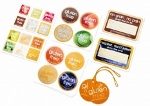 them!
them!
Click on Gluten Free Label banner (see left side ‘visit our sponsors/affiliates’)
CeliacCorner is an affiliate member of Gluten-Free Labels and will receive a small percentage of sale … your price does not increase.
*note: It has been suggested by Danna Korn, author of several books about Celiac & Children, that if the member of the family with Celiac is a child, it may be beneficial for the child to be exposed to living in a gluten-containing environment, as well as learning to live in a gluten-free one, believing it is helpful for the child to know there are both gluten-containing items and gluten-free items, and they need to make the appropriate choices.
Have more tips to share? We would love to hear from you. Visit us on Facebook!